
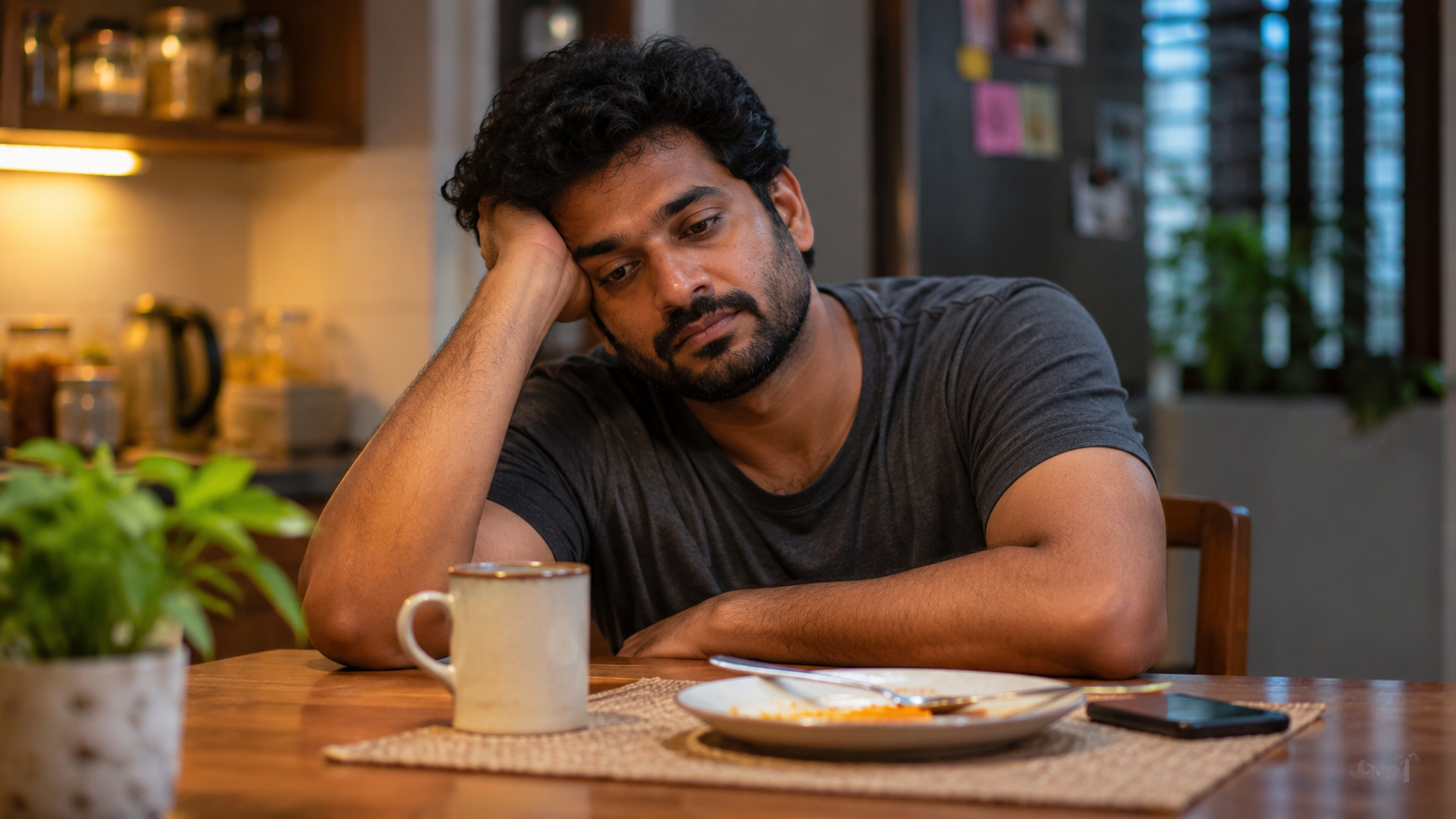
A drink after a bad day. Then a drink to fall asleep. Then a drink to feel normal. For many people, alcohol begins as a way of coping with low mood, stress or loneliness, and slowly becomes part of the problem. Others notice the reverse: as drinking increases, their mood, sleep and energy get worse, and they sink into depression without connecting the two.
Alcohol and depression are closely linked, and each can cause and worsen the other. This guide explains how, how to tell what is happening, why alcohol doesn’t help low mood, and how both can be treated together. It is general information, not medical advice or a diagnosis.
In short
- Alcohol is a depressant. It may ease tension briefly, but it worsens mood, sleep and anxiety over time.
- The link works both ways: heavy drinking can cause or deepen depression, and depression can lead people to drink more.
- Part of the low mood in heavy drinkers often improves within weeks of stopping, but depression that persists needs its own treatment.
- Both conditions are treatable, and treating them together works best.
- If you drink heavily every day, don’t stop suddenly without medical advice, because withdrawal can be dangerous. If you are thinking about ending your life, call Tele-MANAS (14416) or 112.
How alcohol affects your mood
Alcohol acts on the brain’s chemical messengers. At first it can feel relaxing and lift inhibitions, which is why it seems to help. But as it wears off, and with regular use, the effects reverse.
| Effect | What happens |
|---|---|
| Mood | Regular heavy drinking disturbs the brain systems that regulate mood and can produce low mood, irritability and emotional flatness, especially the day after |
| Sleep | Alcohol may help you fall asleep but fragments sleep later in the night and reduces its quality, which worsens mood and energy. See types of sleep disorders |
| Anxiety | Calms nerves briefly, then rebound anxiety as it wears off (“hangxiety”) or in withdrawal |
| Thinking and decisions | Impaired judgement, memory and impulse control, which can lead to regrets, conflict and risky behaviour |
| Life consequences | Money problems, damaged relationships, job trouble and health problems add to hopelessness |
| Body | Poor nutrition, liver and brain effects and physical illness reduce energy and wellbeing |
The vicious cycle
- Low mood, stress or loneliness makes a person want relief
- Drinking gives short-term numbness or ease
- The effect wears off, leaving worse sleep, anxiety, guilt and lower mood
- Problems pile up: money, relationships, work, health
- Mood drops further, and the urge to drink to cope grows
Each turn of the cycle makes both problems harder to escape alone.
Which comes first? Alcohol-induced or independent depression
Clinicians try to work out whether depression is caused by alcohol, separate from it, or both, because it affects treatment.
| Pattern | What it means |
|---|---|
| Alcohol-induced depression | Low mood caused by heavy drinking or withdrawal. It often improves substantially within a few weeks of stopping alcohol. |
| Independent depression | Depression that was present before heavy drinking began, or persists for weeks after stopping alcohol. It needs treatment in its own right. |
| Both together | Very common. Each makes the other harder to treat, so both need attention at once. |
It isn’t always possible to tell at the start. A doctor will take a careful history and may reassess after a period of abstinence. Either way, you don’t have to wait to be treated for depression, and you don’t have to be “dry” for a long time before getting help for low mood.
Signs of depression
| Area | What you may notice |
|---|---|
| Mood | Persistent sadness, emptiness, irritability, anger or hopelessness |
| Interest | Loss of interest or enjoyment in things you used to like |
| Energy and sleep | Tiredness, changes in sleep and appetite |
| Thinking | Guilt, worthlessness, trouble concentrating, negative thoughts about the future |
| Safety | Thoughts of death or suicide |
See also is depression a mental disorder and have there been times when you felt depressed or hopeless. In many men, depression shows up as irritability, anger, drinking and risk-taking rather than obvious sadness.
Signs that drinking is part of the problem
- You drink to feel better, to cope with stress or low mood, or to sleep
- Your mood is worse the day after drinking, or lows deepen the more you drink
- You drink more than you planned, or can’t cut down despite trying
- Drinking has caused arguments, money problems or trouble at work
- You’ve started drinking earlier in the day, or alone
- You feel anxious, shaky or low when you haven’t had a drink
- Others have expressed concern about your drinking or your mood
If several apply, a confidential check is worthwhile. Our self-screening is a private first step. It is not a diagnosis. See also alcohol use disorder vs heavy drinking and is binge drinking bad.
Does alcohol help depression? Myths and facts
| Myth | What’s true |
|---|---|
| “A drink helps me relax and lifts my mood.” | Any lift is brief, and the aftermath, including worse mood, anxiety and sleep, usually outweighs it. |
| “I only drink because I’m depressed. When the depression goes, I’ll stop.” | Heavy drinking can become a problem in its own right and needs treatment alongside depression. |
| “I need alcohol to sleep.” | Alcohol disrupts sleep quality, and stopping it often improves sleep after an adjustment period. |
| “It’s just stress, not depression.” | Persistent low mood, loss of interest and hopelessness deserve assessment, whatever the cause. |
| “I’ll wait until I quit drinking to treat my depression.” | Both can and should be treated at the same time. |
| “Strong people handle it alone.” | These conditions are health problems, and asking for help is sensible. |
Alcohol and antidepressants
If you take medicine for depression, alcohol can interfere:
- It may make the medicine less effective and slow recovery
- It can increase side effects such as drowsiness, dizziness and poor concentration
- With some medicines, the combination can be dangerous
- Heavy drinking makes it harder to take medicines regularly
Be honest with your doctor about how much you drink, because it affects the safest treatment choice. Don’t stop antidepressants suddenly without medical advice, and don’t use alcohol to replace them.
Suicide risk
Both depression and heavy drinking raise the risk of suicidal thoughts, and together the risk is higher. Alcohol lowers inhibition and increases impulsivity, so a moment of despair can become more dangerous when someone has been drinking. Please take any talk of death, hopelessness or being a burden seriously.
If you are thinking about ending your life, or you are worried about someone who is, please act now. Stay with them if you can, and keep alcohol and anything that could be used for self-harm out of reach. In India, Tele-MANAS (14416) is a free national helpline, and in an emergency you can call 112 or go to the nearest hospital. These feelings can change with help.
How are alcohol use and depression treated together?
Treatment works best when both problems are addressed at the same time, by a team that understands them together. This is often called integrated or dual diagnosis treatment.
| Approach | What it does |
|---|---|
| Assessment | A doctor reviews drinking, mood, sleep, physical health, medicines and risk of self-harm, and decides what comes first |
| Medically supervised detox | For people who drink heavily or daily, stopping suddenly can be dangerous, so withdrawal is managed under medical care. See how to detox your body from alcohol and our detoxification care |
| Talking therapy | Cognitive behavioural therapy, motivational interviewing and behavioural activation help with low mood, cravings, triggers and coping skills. See our schools of therapy |
| Medicines for depression | Antidepressants may be prescribed when depression is moderate to severe or persists after stopping alcohol. They are prescribed and monitored by a doctor. |
| Medicines for alcohol use | Some medicines can reduce cravings or help prevent relapse, and a doctor can advise if they suit you |
| Support groups and family involvement | Peer support, family sessions and education reduce isolation and strengthen recovery |
| Lifestyle support | Regular sleep, meals, daylight and movement. See exercise for mental health and mindfulness for wellbeing |
| Relapse prevention and aftercare | Planning for triggers, low-mood days and cravings. See our relapse prevention program |
What to expect when you stop drinking
The timeline varies, but a general pattern looks like this. It is only a guide.
| Stage | What you may notice |
|---|---|
| First days | Withdrawal symptoms in people who drink heavily, such as shaking, sweating, anxiety, poor sleep and sometimes more serious problems. Needs medical supervision if drinking was heavy. |
| First weeks | Mood can feel low or flat, with cravings and poor sleep. For many people, mood, energy and anxiety begin to improve over several weeks. |
| One to three months | Sleep and concentration often improve. If low mood persists, it is a sign that depression needs treatment in its own right. |
| Longer term | Many people feel clearer, steadier and more energised. Ongoing therapy, routines and support help keep both conditions in check. |
Low mood in the early weeks is common and not a sign that stopping was a mistake. Tell your doctor or counsellor if it is heavy or hopeless.
What you can do now
- Tell someone, such as a doctor, a counsellor or a person you trust, how you’ve been drinking and feeling.
- See a doctor, and be honest about both your mood and your drinking.
- If you drink heavily every day, get medical advice before you stop.
- Remove easy access: keep less alcohol at home, and avoid places and people that trigger drinking.
- Protect your sleep, with regular times, daylight and no late caffeine or screens.
- Move your body, even a short daily walk.
- Plan for low moments: keep a list of people to call and things to do instead of drinking.
- Be patient and kind to yourself. Recovery from both takes time.
For a fuller guide, see how to come out of addiction and how to stay mentally healthy.
Practical tips for India
- “A peg to relax.” Drinking to unwind or de-stress is widely accepted and can hide a growing problem. When it becomes the main way of coping with low mood, it is time to look at it.
- Depression in men. It often appears as anger, irritability, risk-taking and heavy drinking instead of sadness, so it is frequently missed.
- Chemist sedatives. Mixing alcohol with sleeping tablets or sedatives is dangerous and can worsen depression.
- Stigma and “log kya kahenge.” Fear of judgement delays help for both depression and drinking. Choose confidential services.
- Weddings, festivals and work events. Alcohol is often central. Plan ahead, and it is fine to skip events or drink non-alcoholic options during recovery.
- Cost and cover. See our page on the cost of treatment and our guide on whether health insurance covers rehab.
- Free support. Tele-MANAS (14416) offers free tele-mental-health support in India.
When to get urgent help
Call 112 or go to the nearest hospital if:
- Someone is talking about ending their life, or has harmed themselves
- After stopping or cutting down heavy drinking, they have a seizure, severe confusion, hallucinations or a very fast heartbeat
- Someone is very drowsy, can’t be woken, or is breathing slowly after drinking, which may be alcohol poisoning
- They have mixed alcohol with sedatives or other drugs and seem unwell
Stay with them. In India, Tele-MANAS (14416) is a free national helpline for mental health support.
Special situations
Women. Women often reach higher blood alcohol levels from the same amount and may face extra stigma. Postnatal low mood and drinking need prompt medical attention.
Young people. Students and young adults may drink heavily to cope with pressure, and the developing brain is especially sensitive to alcohol.
Older adults. Drinking and depression can be missed, and alcohol interacts with many medicines. Heavy drinking can also affect memory. See is there a cure for dementia.
Bipolar disorder. Alcohol can trigger mood episodes. See bipolar disorder symptoms.
Anxiety, trauma and other conditions. These often occur together with depression and drinking. See is anxiety a psychological disorder and how to deal with trauma.
If you’re worried about someone else
Speak privately and calmly, when they are sober, and describe what you’ve noticed: “You’ve seemed really low, and I’ve noticed you’re drinking more. I’m worried about you.” Listen without lecturing, avoid ultimatums, and encourage a doctor’s visit. Don’t push someone who drinks heavily to stop suddenly, as withdrawal can be dangerous. Our guides on how to talk to someone about addiction and how alcohol destroys families can help. Look after your own wellbeing too.
How Thamarai can help
Alcohol and depression often need to be treated together. At Thamarai Healing Center in Pollachi, alcohol addiction treatment and our mental health program offer confidential, personalised care built around a comprehensive assessment, supervised detoxification where needed, evidence-based therapies, support for co-occurring conditions, family involvement and structured aftercare, in a calm setting among the foothills of the Western Ghats. You can also read about The Thamarai Difference.
If alcohol and low mood are affecting your life, a confidential conversation is a good place to start. Speak to our team confidentially →
Frequently asked questions
What is the link between alcohol and depression?
They affect each other. Heavy drinking can cause or worsen depression by disturbing mood, sleep and brain chemistry, and depressed people may drink more to cope. Both can be treated together.
Does alcohol cause depression?
Heavy or regular drinking can cause low mood and increase the risk of depression. Some of this improves within weeks of stopping alcohol, but depression that persists needs its own treatment.
Does alcohol help with depression?
No. It may ease tension briefly, but it worsens mood, anxiety and sleep over time, and can make depression harder to treat.
Can I drink while taking antidepressants?
Alcohol can reduce the effectiveness of antidepressants, increase side effects and, with some medicines, be dangerous. Ask your doctor, and don’t stop your medicine suddenly.
Will my depression go away if I stop drinking?
Some or all of the low mood may improve within weeks if it was caused by alcohol. If it persists, or was there before, it needs treatment in its own right.
Is it safe to stop drinking suddenly?
Not if you drink heavily every day. Withdrawal can cause seizures and other serious problems, so get medical advice first.
How are alcohol use and depression treated together?
Through an assessment, medically supervised detox if needed, therapy such as CBT and motivational interviewing, medicines for depression or alcohol use where appropriate, family and peer support, and relapse prevention.
Is treatment at Thamarai confidential?
Yes. Enquiries, assessments and treatment are handled confidentially, and you can call to ask questions without committing to anything.
This article is for general information and isn’t a substitute for professional medical advice, diagnosis or treatment. If you are in crisis, please contact emergency services or a helpline.
Sources
- World Health Organization. Alcohol fact sheet; Depressive disorder (depression) fact sheet.
- American Psychiatric Association. Diagnostic and Statistical Manual of Mental Disorders, Fifth Edition, Text Revision (DSM-5-TR). 2022. Alcohol Use Disorder; Depressive Disorders; Substance/Medication-Induced Depressive Disorder.
- Boden JM, Fergusson DM. Alcohol and depression. Addiction, 2011.
- Sullivan LE, Fiellin DA, O’Connor PG. The prevalence and impact of alcohol problems in major depression: a systematic review. American Journal of Medicine, 2005.
- Schuckit MA. Comorbidity between substance use disorders and psychiatric conditions. Addiction, 2006.
- National Institute for Health and Care Excellence (NICE). Alcohol-use disorders: diagnosis, assessment and management (CG115); Depression in adults: treatment and management (NG222).
- Ministry of Health and Family Welfare, Government of India. Tele-MANAS (14416).