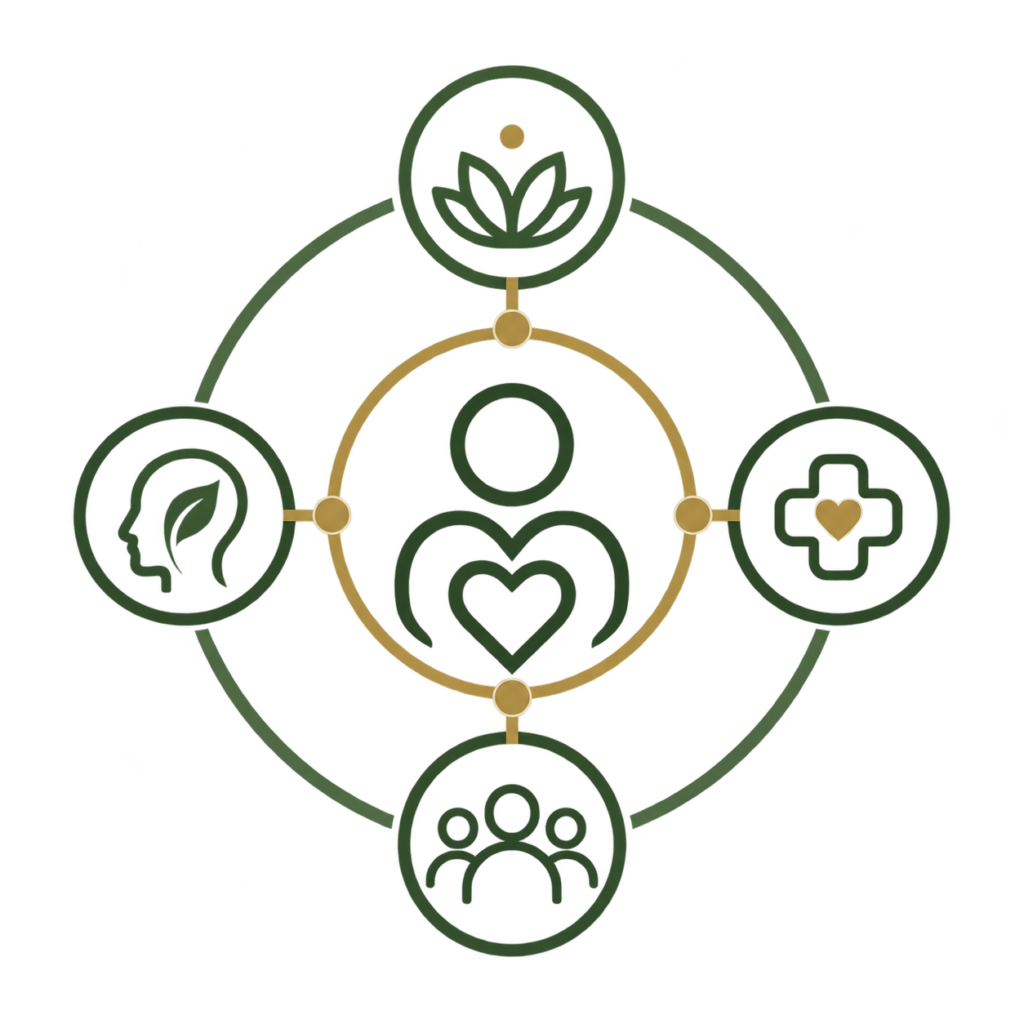
Recovery is at the heart of everything we do at Thamarai Wellness Rehab. We believe that recovery is a lifelong journey of positive change through which individuals improve their health and well-being, regain control of their lives, and work towards achieving their fullest potential.
At Thamarai, our recovery-focused approach is built around four essential dimensions that support long-term healing and personal growth.
Health
Recovery begins with restoring physical, emotional, and mental well-being. This includes overcoming or effectively managing addiction, mental health challenges, and other underlying conditions.
We help individuals make informed and healthy lifestyle choices that support lasting wellness, emotional stability, and overall quality of life.
Home
A safe, stable, and supportive living environment is essential for recovery.
At Thamarai, we help individuals develop the confidence, skills, and emotional strength needed to build and maintain a healthy and secure foundation for life after treatment.
Purpose
Recovery is strengthened when individuals discover meaning and direction in their lives.
Whether through education, employment, volunteering, family responsibilities, personal goals, or creative pursuits, we encourage each person to develop a sense of purpose that inspires growth, independence, and fulfillment.
Community
Strong relationships and supportive social connections play a vital role in long-term recovery.
We help individuals rebuild trust, strengthen family bonds, and develop healthy relationships that provide encouragement, friendship, hope, and a sense of belonging throughout their recovery journey.
Building a Life Beyond Recovery
At Thamarai Wellness Rehab, recovery is more than overcoming addiction or mental health challenges—it is about creating a meaningful, balanced, and fulfilling life. By focusing on Health, Home, Purpose, and Community, we empower individuals to embrace lasting transformation and confidently move forward toward a brighter future.
Behavior therapy involves a range of techniques aimed at changing unhealthy or maladaptive responses to specific situations. By modifying these behaviors, it helps reduce psychological distress and improve overall mental well-being.
Cognitive Behavioral Therapy (CBT) is a form of psychotherapy that helps individuals identify and change negative thought patterns that influence their behavior and emotions.
In recovery medicine, this approach provides immediate rewards for positive behavioral changes, reinforcing the idea that rewarded behaviors are more likely to be repeated.
Rational Emotive Behavior Therapy (REBT), developed by Albert Ellis in the 1950s, helps individuals identify and change irrational beliefs and negative thought patterns that lead to emotional and behavioral issues.
Motivational Enhancement Therapy (MET) helps individuals resolve ambivalence about alcohol and drug use by increasing motivation and encouraging positive goal setting.
Dialectical Behavior Therapy (DBT) is a form of talk therapy based on cognitive behavioral therapy that helps individuals understand, accept, and manage intense emotions effectively.
Multidimensional Family Therapy (MDFT) is a comprehensive family-based approach for adolescents, addressing substance use and behavioral issues by focusing on social and emotional development.
Client-centered therapy is a non-directive approach to talk therapy. It encourages the client to take an active role in each session, while the therapist offers guidance and support. Person-centered therapy empowers the individual to lead the process and explore their own path toward healing.
Dance/movement therapy (DMT) is a therapeutic approach that uses movement as a form of expression to support emotional, social, cognitive, and physical integration. It helps individuals enhance their overall health and well-being through guided movement and self-awareness.
Thamarai Healing Center
Pranic Psychotherapy →
Pranic Psychotherapy is a holistic approach used to address psychological concerns such as anxiety, fear, trauma, stress, phobias, obsessive and compulsive behaviors, depression, and suicidal tendencies, as well as substance abuse including drug addiction and alcoholism.
Music therapy at Thamarai is a therapeutic approach that uses the natural uplifting effects of music to support emotional healing and improve overall mental health and well-being.
Thamarai Healing Center
Pure Bliss - Aromatherapy →
Enhancing well-being through essential oils
Aromatherapy is a holistic practice that uses fragrant essential oils to support physical and emotional health. It may help relieve pain, aid digestion, promote relaxation, uplift mood, and ease menstrual discomfort, along with other wellness benefits.
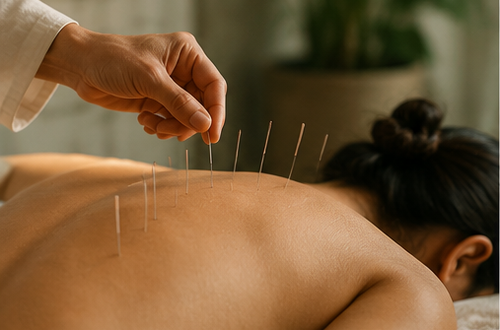
Acupuncture involves stimulating specific points on the body to activate the central nervous system. This process releases chemicals into the muscles, spinal cord, and brain, helping trigger the body’s natural healing response and support overall physical and emotional well-being.
Hypnotherapy is a state of deep focus and heightened awareness. In this state, individuals become more receptive to positive suggestions that can support healthy changes in perceptions, sensations, emotions, memories, thoughts, and behaviors.
The relapse prevention program at Thamarai focuses on four key areas: stabilization, understanding relapse patterns, developing a structured recovery plan, and strengthening social support systems.
Breakthrough Care
Brings Breakthrough
Results
Our evidence-based model combining individual and group mental health/addiction therapies, follow-up coaching and family support sets a new standard for quality care and for your quality of life.
Personalised treatment plans focused on relapse prevention, trigger awareness, and sustainable recovery.
Quality Rehab Program
Private and personalised rehabilitation programs for trauma and addiction, tailored to individual recovery needs.
Standardized Care
Structured, interdisciplinary rehabilitation care designed to support consistent treatment and better recovery outcomes.
COMMON QUESTIONS
Frequently Asked Questions
What types of therapy are used for addiction treatment at Thamarai?
We use a combination of evidence-based therapies, including cognitive behavioural therapy (CBT), motivational enhancement therapy (MET), contingency management, rational emotive behaviour therapy (REBT), and dialectical behaviour therapy (DBT). These are delivered through individual, group, and family sessions, with supportive approaches such as person-centred and art therapy.
How does cognitive behavioural therapy (CBT) help in de-addiction?
CBT helps people recognise the thoughts, situations and feelings that lead to substance use, and learn practical ways to respond differently. It focuses on building coping skills for cravings, stress and high-risk situations. These skills stay useful long after formal treatment ends, which makes CBT central to relapse prevention.
What is motivational enhancement therapy?
Motivational enhancement therapy (MET) is a short, structured approach that helps people work through mixed feelings about change. Rather than pressuring or confronting, the therapist helps the person explore their own reasons for recovery. It is often used early in treatment to strengthen commitment before deeper therapeutic work begins.
What is contingency management?
Contingency management reinforces positive behaviours, such as staying substance-free or attending sessions, with structured rewards. It is based on the principle that behaviour which is rewarded tends to be repeated. It has strong research support, particularly for stimulant use, and works well alongside talking therapies.
Begin The Journey To Recovery
Start Your Recovery Today
Alcohol addiction is treatable. With medically supervised detox, evidence-based therapy, and a compassionate, luxurious environment, Thamarai Healing Centre offers a discreet, dignified path back to health.