
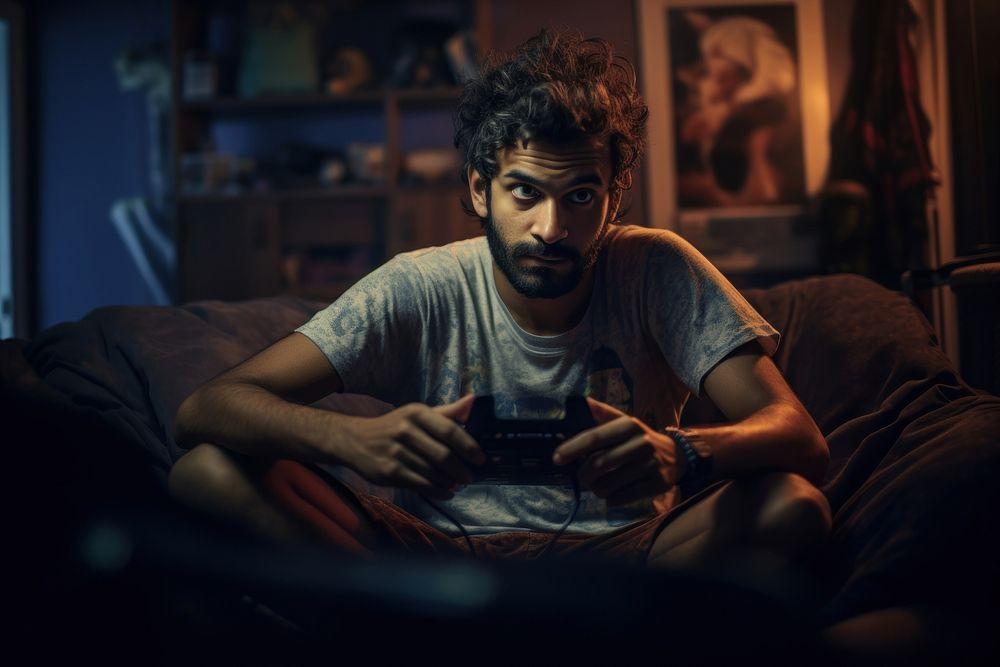
It’s a question almost every parent, partner and gamer eventually asks: how much is too much? Three hours a night? Six hours on a Saturday? An all-night session before a big release? Most people expect a clear number, and are frustrated to find there isn’t one.
This guide explains why the amount of time isn’t the whole answer, what separates healthy gaming from a problem, the warning signs, age-based guidance, what gaming can do to sleep, mood and school, and what to do and where to get help in the United States. It is general information, not medical advice.
In short
- There is no universal number of hours. Gaming becomes “too much” when it takes over: you can’t control it, it crowds out sleep, school, work, relationships and health, and you keep going despite harm.
- Look at the impact, not just the clock. Ask what gaming is replacing, and how the person is doing in the rest of life.
- Gaming disorder is real but affects a small minority. The World Health Organization recognizes it, based on loss of control, priority over other life activities and continued use despite harm.
- For many people, heavy gaming is a sign of something else, such as anxiety, depression, ADHD, loneliness or bullying, and treating that helps.
- Struggling? Call or text 988 for crisis support, or call the SAMHSA National Helpline at 1-800-662-4357. Talk to your pediatrician or doctor.
So, how much is too much?
Researchers and major health organizations don’t set a single “safe” number of gaming hours, because people differ. Two people can play the same amount: one is thriving, sleeping well, doing well at work or school and enjoying time with friends, while the other is exhausted, failing and isolated. The difference isn’t the hours, but what gaming costs, and whether the person can stop.
A more useful question than “how many hours?” is: “Is gaming getting in the way of the things that matter, and can I (or they) cut back when needed?”
What counts as a gaming problem? Official definitions
| Source | What it says |
|---|---|
| World Health Organization (ICD-11): gaming disorder | A pattern of gaming with (1) impaired control over gaming, (2) increasing priority given to gaming over other interests and daily activities, and (3) continuation or escalation despite negative consequences, causing significant distress or impairment in personal, family, social, educational, work or other areas. It is usually evident over at least 12 months, though a shorter period can be enough if symptoms are severe. |
| American Psychiatric Association (DSM-5-TR): internet gaming disorder | Listed as a condition for further study, not yet a formal diagnosis. Proposed criteria include preoccupation, withdrawal symptoms when gaming is taken away, tolerance (needing more time), unsuccessful attempts to cut down, losing interest in other activities, continuing despite problems, lying about use, using gaming to escape bad moods, and risking relationships, jobs or school. |
Studies estimate that gaming disorder affects a small share of gamers, roughly a few percent. Most people who play games, including many who play a lot, do not meet the criteria. But a smaller group experiences real harm, and they deserve to be taken seriously.
Healthy gaming or a problem?
| Healthy gaming | Problematic gaming | |
|---|---|---|
| Control | You can stop when you planned to, or when something important comes up | You repeatedly play longer than intended and can’t cut back, even when you try |
| Priorities | Gaming fits around sleep, school or work, meals, exercise and people | Gaming comes first, and other things are skipped or rushed |
| Mood | Fun, relaxing, social, and you can handle losing or being interrupted | Irritable, anxious or empty when not playing, with intense anger when interrupted |
| Sleep and health | Sleep and activity are protected | Staying up all night, skipped meals, little movement, headaches or eye strain |
| Relationships | Friends and family time continue, often including gaming together | Withdrawal from family and friends, arguments about gaming, or only online relationships |
| School and work | Performance is stable | Declining grades, missed deadlines or skipped classes |
| Honesty | Open about how much you play | Hiding, lying or sneaking play |
| Money | Spending is planned and modest | Escalating in-game spending, hidden charges or “just one more” purchases |
| Why you play | Enjoyment, challenge, friends | Mostly to escape stress, loneliness or bad feelings |
Warning signs that gaming may be too much
- Thinking about gaming constantly, even when not playing
- Playing for longer than planned, or needing more time to feel satisfied
- Failed attempts to cut down or stop
- Irritability, restlessness, anger or low mood when unable to play
- Lying about, hiding or minimizing gaming time
- Skipping sleep, meals, hygiene, homework, chores or work to play
- Dropping hobbies, sports and friends
- Falling grades, job problems or conflict at home
- Spending money on games beyond what is affordable or agreed
- Using gaming mainly to escape stress, loneliness, sadness or anxiety
- Physical signs: headaches, eye strain, back or wrist pain, fatigue, changes in weight
Questions to ask yourself or your child
These aren’t a test and can’t diagnose a disorder, but they can help you decide whether to look closer.
- Can I (or they) stop on time without a fight?
- What has gaming replaced in the last few months?
- Are sleep, grades, work and health holding up?
- Is gaming a source of fun, or mostly a way to avoid feelings?
- How do I (or they) feel when unable to play?
- Are there secrets or lies about gaming or spending?
- Do friends and family worry?
If you answered concerningly to several, consider talking to a professional. Our confidential self-screening is available for mental health concerns. It is not a diagnosis of gaming disorder.
Age-based guidance: starting points, not rules
No official hour limits exist. Pediatric and health groups, such as the American Academy of Pediatrics, emphasize healthy habits and consistent boundaries: make sure screen time doesn’t crowd out sleep, physical activity, schoolwork, family meals and face-to-face time. For young children (ages 2 to 5), the AAP has suggested limiting recreational screen use to about an hour a day of high-quality content.
For older children, teens and adults, many families find that planning around priorities works better than a flat number. The table below shows examples families sometimes use as starting points. They are not medical thresholds, and the right amount depends on the person, and what else is going on.
| Age group | Example starting points to adapt | Priorities that come first |
|---|---|---|
| Young children (about 2 to 5) | Short, supervised play, with high-quality content, and co-playing | Sleep, active play, reading and talking with caregivers |
| School-age children (about 6 to 12) | Shorter sessions on school days, somewhat longer on weekends, with clear end times and breaks | Sleep (the American Academy of Sleep Medicine recommends about 9 to 12 hours), homework, outdoor activity, meals |
| Teens (about 13 to 17) | Agree limits together. Many families use more time on weekends, with firm bedtime and device-free sleep. | Sleep (about 8 to 10 hours), school, at least an hour a day of physical activity as recommended by the World Health Organization, friends in person |
| Adults | Self-set limits that protect work, sleep, relationships and health | Sleep, work, exercise, partner, family and friends, and meals |
If gaming is consistently crowding out the “priorities that come first,” or you can’t stick to the limits you set, treat it as a signal, whatever the number of hours.
How gaming can affect health and life
| Area | Possible effects of excessive gaming |
|---|---|
| Sleep | Late nights, delayed bedtime, poor sleep quality, daytime tiredness, and a disrupted body clock. See types of sleep disorders |
| Mood and mental health | Irritability, anxiety, low mood and, for some, worsening depression. See is depression a mental disorder and is anxiety a psychological disorder |
| School and work | Lower grades, missed assignments, reduced concentration and job problems |
| Body | Inactivity, weight change, eye strain, headaches, neck, back and wrist problems |
| Relationships | Conflict at home, less face-to-face time, isolation or only online friendships |
| Money | In-game purchases, “loot boxes” and subscriptions that add up quickly |
| Safety | Exposure to harassment, scams and, for young people, contact with strangers online |
The upside: gaming isn’t the enemy
It’s worth saying that gaming has real benefits for many people. Games can be fun, creative and social, build problem-solving, teamwork and coordination, give a sense of achievement and offer stress relief. Many friendships and communities form around games. Research has generally found that moderate gaming is not harmful, and that harm is concentrated in a smaller group with heavy, compulsive or avoidant use. The goal is balance, not abstinence.
Why some people get hooked
Many popular games are designed to keep people playing. Understanding these features helps you set limits.
| Feature | How it keeps people playing |
|---|---|
| Rewards on unpredictable schedules | Random drops and prizes create a “just one more” urge |
| Loot boxes and gacha mechanics | Paying for chance-based rewards, which resemble gambling. See how to help someone with a gambling addiction |
| Daily streaks, events and limited-time offers | Fear of missing out and pressure to log in |
| Social obligation | Teammates, guilds and friends depend on you, making it hard to leave mid-match |
| Endless progression | No natural stopping point, levels and upgrades that never end |
| Escape and mastery | A place where you feel competent, accepted or in control when real life feels hard |
When heavy gaming is a sign of something else
For many people, excessive gaming isn’t the root problem. It is a way of coping with something else.
| Condition or situation | How it relates |
|---|---|
| ADHD | Games provide fast, constant rewards that suit an ADHD brain, making it hard to stop. See what is ADHD and its symptoms |
| Social anxiety and loneliness | Gaming can feel safer than face-to-face contact, but can also deepen avoidance. See how do you know if you have social anxiety |
| Depression | Escape from low mood, with sleep disruption making it worse |
| Autism | Games can be a comfortable, predictable interest or social space, and need balanced support |
| Bullying, family conflict or trauma | Gaming becomes a refuge. See how to deal with trauma |
| Low self-worth | Games offer achievement and status that feel missing elsewhere. See inferiority complex |
| Other addictions | Gaming can overlap with gambling, substance use, pornography and heavy social media. See when phone use needs professional treatment |
Treating the underlying issue is often what makes gaming settle. If heavy gaming goes along with caffeine and energy drink overuse, cannabis or alcohol, speak to a professional. See dual diagnosis.
What parents can do
- Start with curiosity, not accusation. Ask what they enjoy about the game, who they play with and what it gives them. Play together sometimes.
- Make a plan together. A family media plan, such as the AAP’s, sets agreed times, places and priorities, and works better when children help build it.
- Protect sleep. Keep devices out of bedrooms overnight, and set a firm wind-down time.
- Put essentials first: sleep, school, meals, chores, physical activity and family time before gaming.
- Use clear, consistent boundaries, with warnings before sessions end (“ten more minutes, then we stop after this match”).
- Use parental controls for time limits, spending, chat and age-appropriate content, and keep passwords private.
- Talk about spending and loot boxes. Set a budget, remove stored payment cards and explain how chance-based purchases work.
- Offer attractive alternatives, such as sports, friends, music, clubs or time outdoors, and join in.
- Stay calm during conflict. Shouting, shaming or removing devices in anger often backfires. Agree on consequences in advance, and apply them calmly.
- Model healthy habits. Children notice how adults use their own devices.
- Look for the reason. If your child is gaming to escape, ask about school, friends and mood, and seek help if needed.
- Get support if it isn’t working. Talk to your pediatrician or a school counselor.
What adults and teens can do for themselves
- Track your time for a week. Many people are surprised by how much they play.
- Decide priorities first, and game after sleep, work or school, exercise and people.
- Set start and stop times, and use alarms or built-in timers.
- Choose games with natural endpoints, and avoid those built around endless streaks and chance-based purchases when you struggle to stop.
- Turn off notifications and daily-reward reminders.
- Keep gaming out of the bedroom at night.
- Replace, don’t just remove. Plan satisfying activities such as exercise, friends, creative projects or sports. See exercise for mental health.
- Set a spending limit, and consider removing saved cards.
- Notice why you play. If it is mainly to avoid feelings, try naming the feeling and talking to someone. See mindfulness for wellbeing.
- Tell someone, and ask for support if you can’t cut back.
What not to do
| Common reaction | Why it backfires |
|---|---|
| Smashing consoles or deleting accounts in anger | Damages trust, fuels conflict and doesn’t address the reason for gaming |
| Cutting off all gaming overnight without a plan | Often triggers intense distress or sneaking. Gradual, agreed reduction works better. |
| Shaming or calling someone “addicted” or “lazy” | Increases hiding and isolation |
| Treating gaming as the only problem | Misses anxiety, depression, ADHD, bullying or family issues underneath |
| Using gaming as a reward or punishment | Makes it more powerful and emotionally loaded |
| Ignoring it and hoping it passes | Problems can deepen, and school and sleep suffer |
When to get professional help
Please speak to a doctor, therapist or school counselor if:
- Gaming is out of control despite repeated attempts to cut back
- Sleep, school, work, relationships or health are clearly suffering
- Stopping leads to intense anger, anxiety, depression or aggression
- Gaming is mainly a way to escape painful feelings or situations
- There are signs of depression, anxiety, ADHD, bullying or trauma
- Spending is out of control, or the person is hiding it
- You or your child expresses hopelessness, or talks about self-harm
If anyone expresses thoughts of suicide or self-harm, take it seriously. In the US, call or text 988 (the 988 Suicide & Crisis Lifeline) at any time, or call 911 in an emergency.
How is problematic gaming treated?
There is no medicine approved specifically for gaming disorder. Treatment usually focuses on understanding the pattern and treating related issues.
| Approach | What it does |
|---|---|
| Assessment | Looks at gaming patterns, mental health, sleep, school or work, family life and other substances or behaviors |
| Cognitive behavioral therapy (CBT) | Helps identify triggers and thoughts that drive gaming, build coping skills and plan replacement activities. See our schools of therapy |
| Motivational interviewing | Helps people who feel unsure find their own reasons to change |
| Family therapy and parent coaching | Improves communication, sets consistent boundaries and reduces conflict |
| Treating co-occurring conditions | Addresses ADHD, depression, anxiety, social anxiety and trauma, with therapy and, where appropriate, medicines prescribed by a doctor |
| Skills and routines | Sleep hygiene, time management, social skills and building offline activities and friendships |
| School support | Counselors and teachers can help with attendance, learning and peer support |
Finding help in the United States
- Crisis or thoughts of suicide: call or text 988, available 24/7.
- Emergencies: call 911.
- Treatment information and referral: the SAMHSA National Helpline, 1-800-662-HELP (4357), free and confidential, and SAMHSA’s treatment locator at findtreatment.gov.
- Your pediatrician or primary care doctor, who can screen for mood, sleep and attention problems and refer you to a therapist or child psychiatrist.
- School counselors and psychologists, for support and school-based services.
- Licensed therapists with experience in behavioral addictions, anxiety, depression or ADHD. Psychology Today’s therapist directory is one place to search.
- Insurance. Many plans cover mental health therapy, and federal parity law generally requires equal limits for mental and physical health care. Call the number on your insurance card to ask about covered therapists and prior authorization.
Special situations
Young children. Shorter, supervised, high-quality play, with co-playing, helps. Prioritize sleep and active play.
Teens and competitive gaming. Esports, streaming and online communities can be rewarding but pressure-filled. Keep an eye on sleep, mood and schoolwork.
Adults. Gaming can strain jobs and relationships, especially when a partner feels ignored. Open conversation about shared time and expectations helps.
Kids with ADHD or autism. Games may be especially compelling. Structure, advance notice before stopping, and professional guidance help.
Loneliness and isolation. Online friendships are real and valuable, but if gaming is the only social outlet, gently build in-person connection.
Heavy caffeine or energy drink use, and, in older teens and adults, alcohol or cannabis during gaming. If substances are involved, speak to a professional. See how to come out of addiction.
When coping starts to harm
- Gaming through the night, then sleeping through school or work
- Skipping meals, showers or going outside for days
- Lying about time or spending, or taking money or cards without permission
- Becoming aggressive or very distressed when asked to stop
- Using gaming to avoid every difficult feeling or conversation
- Giving up friends, hobbies or goals
If this sounds familiar, it is a sign to reach out, not a reason for shame.
If your partner or adult family member is gaming too much
Speak calmly, at a quiet moment, and focus on specific impacts: “I miss spending evenings together, and the bills I found worry me.” Avoid labels and ultimatums, suggest shared limits and activities, and encourage them to see a professional if gaming is out of control or they seem low or anxious. Look after your own wellbeing too. See codependency signs.
How Thamarai can help
Problematic gaming often goes together with anxiety, depression, ADHD, sleep problems and, at times, other addictions. Thamarai Healing Center is a residential center in Pollachi, in southern India, offering confidential, personalized assessment and care for mental health and addiction, with family involvement. See our mental health program and other addictions we treat. If you are in the United States, we recommend starting with the local resources above, particularly for children and teens, and for anything urgent. For international families who are considering care in India, we are happy to talk through whether it is a practical fit.
Speak to our team confidentially →
Frequently asked questions
How much is too much video games?
There is no universal number of hours. Gaming is too much when you can’t control it, it crowds out sleep, school, work, relationships and health, and you keep going despite harm.
How many hours of video games a day is healthy?
It depends on age and circumstances. Health groups focus on protecting sleep, physical activity, schoolwork and relationships rather than a fixed number, and many families agree on time limits that fit around those priorities.
What is video game addiction?
The World Health Organization recognizes gaming disorder, defined by impaired control, giving gaming priority over other life activities, and continuing despite negative consequences, usually over at least 12 months. The DSM-5-TR lists internet gaming disorder as a condition for further study.
What are the signs of too much gaming?
Loss of control, thinking about gaming constantly, irritability or distress when unable to play, lying about it, losing sleep, falling grades or work problems, dropping other interests, escalating spending and using gaming mainly to escape bad feelings.
Are video games bad for you?
Not inherently. Moderate gaming can be fun, social and mentally stimulating. Problems arise with excessive, compulsive or avoidant use that harms sleep, health, school, work or relationships.
How can I get my child to stop playing so much?
Stay curious and calm, make a plan together, protect sleep, put essentials first, use clear consistent boundaries and parental controls, offer alternatives, and look for underlying issues such as anxiety, depression or bullying. Talk to your pediatrician if it isn’t working.
Can gaming cause depression or anxiety?
Heavy gaming can disrupt sleep and activity and worsen mood, and people who are low or anxious may game more to cope. Treating both the gaming pattern and the underlying condition helps.
Where can I get help in the US?
Call or text 988 for crisis support, call 911 in an emergency, call the SAMHSA National Helpline at 1-800-662-4357 or use findtreatment.gov for referrals, and talk to your pediatrician, doctor or a licensed therapist.
Is treatment at Thamarai confidential?
Yes. Enquiries, assessments and treatment are handled confidentially, and you can call to ask questions without committing to anything.
This article is for general information and isn’t a substitute for professional medical or psychological advice, diagnosis or treatment. If someone is in crisis, call 988 or 911.
Sources
- World Health Organization. International Classification of Diseases, 11th Revision (ICD-11), 6C51 Gaming disorder.
- American Psychiatric Association. Diagnostic and Statistical Manual of Mental Disorders, Fifth Edition, Text Revision (DSM-5-TR). 2022. Section III: Internet Gaming Disorder (condition for further study).
- Stevens MWR, Dorstyn D, Delfabbro PH, King DL. Global prevalence of gaming disorder: a systematic review and meta-analysis. Australian & New Zealand Journal of Psychiatry, 2021.
- Przybylski AK, Weinstein N, Murayama K. Internet gaming disorder: investigating the clinical relevance of a new phenomenon. American Journal of Psychiatry, 2017.
- Gentile D. Pathological video-game use among youth ages 8 to 18: a national study. Psychological Science, 2009.
- American Academy of Pediatrics, Council on Communications and Media. Media and young minds. Pediatrics, 2016; AAP Family Media Plan (HealthyChildren.org).
- Paruthi S, et al. Recommended amount of sleep for pediatric populations: a consensus statement of the American Academy of Sleep Medicine. Journal of Clinical Sleep Medicine, 2016.
- World Health Organization. WHO guidelines on physical activity and sedentary behaviour. 2020.
- US Substance Abuse and Mental Health Services Administration (SAMHSA). National Helpline (1-800-662-HELP); findtreatment.gov. 988 Suicide & Crisis Lifeline.