
In short
- Burnout is a state of exhaustion, cynicism or detachment, and reduced effectiveness caused by chronic stress, especially at work or in caring roles.
- It is driven as much by overload, lack of control and lack of recovery as by personal weakness, so both you and your workplace have a part in preventing it.
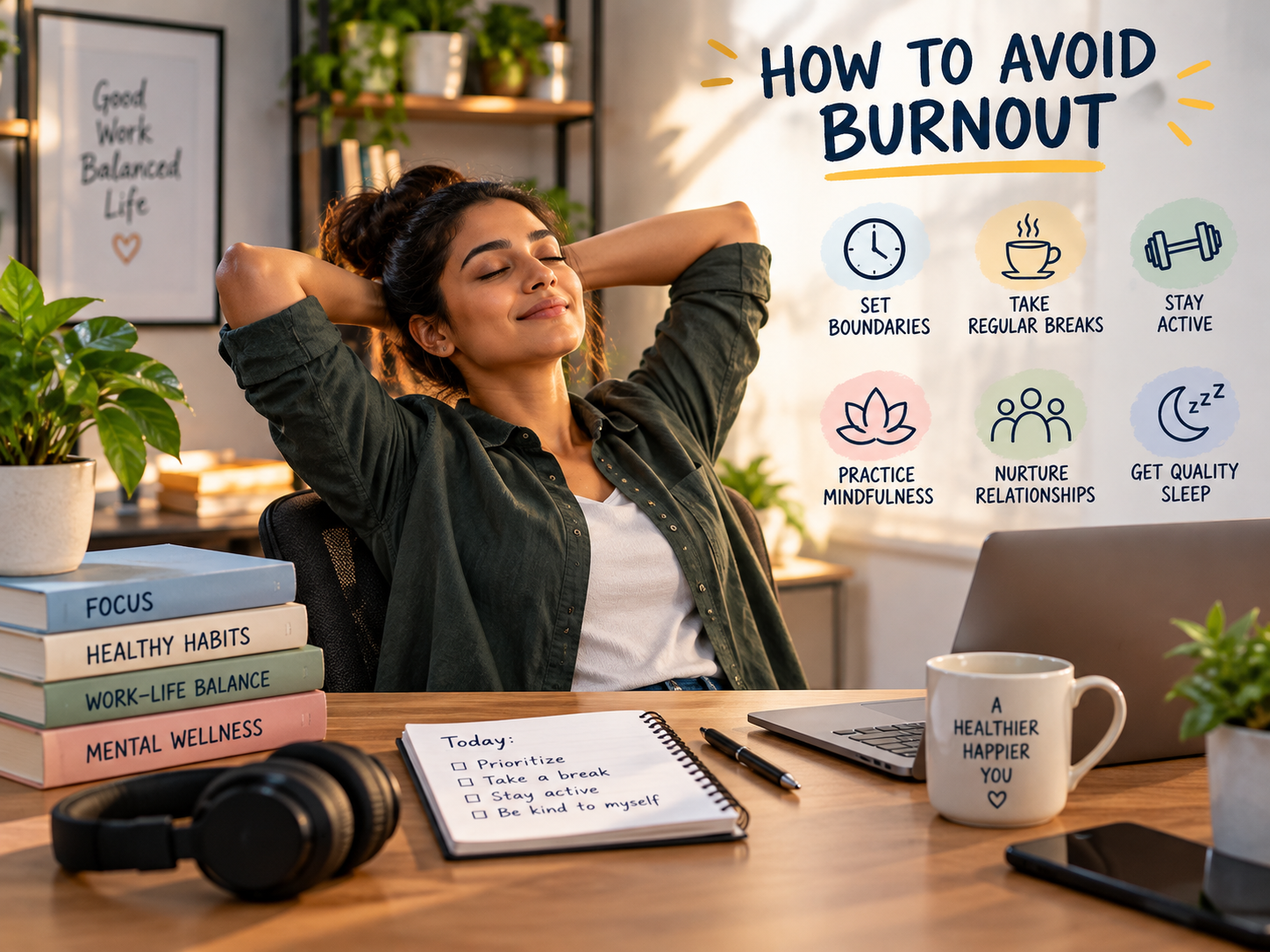
- The best protection is boundaries, real breaks, good sleep, movement, connection and meaning, plus acting on early warning signs.
- Burnout can overlap with depression and anxiety. If low mood, hopelessness or thoughts of self-harm appear, seek help.
- Using alcohol to “switch off” is common but makes burnout worse.
What is burnout?
The World Health Organization’s ICD-11 describes burn-out as an occupational phenomenon resulting from chronic workplace stress that has not been successfully managed. It is not classed as a medical condition, but it has real effects on mental and physical health. It has three main features:| Dimension | What it feels like |
|---|---|
| Exhaustion | Feeling drained of energy, physically and emotionally, and not recovering with a weekend off |
| Cynicism or distance | Feeling negative, detached or resentful about your work, colleagues or the people you serve |
| Reduced effectiveness | Feeling less capable, making more mistakes and doubting your achievements |
Early warning signs of burnout
| Area | What you may notice |
|---|---|
| Body | Constant tiredness, poor or broken sleep, headaches, muscle tension, stomach problems, getting ill more often |
| Emotions | Irritability, dread before work, feeling empty, numb or overwhelmed, loss of enjoyment |
| Thinking | Trouble concentrating, forgetfulness, indecision, negative or hopeless thoughts about work |
| Behaviour | Procrastination, withdrawing from colleagues and friends, taking longer on tasks, missing deadlines |
| Habits | More alcohol, caffeine, smoking or late-night scrolling to cope or “switch off” |
Burnout, stress or depression?
| What it means | |
|---|---|
| Stress | Too much pressure, with urgency and over-engagement. You feel overloaded but still care and can recover once the pressure eases. |
| Burnout | Exhaustion, detachment and disillusionment, usually tied to work or a caring role. Feeling empty rather than overloaded. |
| Depression | Persistent low mood or loss of interest across all areas of life, often with guilt, worthlessness and sometimes thoughts of death. It needs professional assessment. See is depression a mental disorder |
| Anxiety | Persistent worry, tension and avoidance that continues beyond work. See is anxiety a psychological disorder |
What causes burnout?
Research by Christina Maslach and Michael Leiter points to mismatches between a person and their work in six areas:- Workload: too much to do, too little time or help
- Control: little say over how work is done
- Reward: low pay, recognition or sense of appreciation
- Community: isolation, conflict or lack of support at work
- Fairness: unequal treatment, politics or lack of transparency
- Values: a gap between what you believe in and what you are asked to do
How to avoid burnout: 12 practical strategies
| Strategy | What to do |
|---|---|
| 1. Set clear work hours | Decide when work ends, switch off notifications after hours and protect at least one full day a week |
| 2. Take real breaks and use your leave | Step away from your desk during the day, eat lunch away from screens and take your holidays |
| 3. Protect your sleep | Keep regular sleep and wake times, avoid screens late at night, and treat poor sleep as a warning. See types of sleep disorders and who can treat insomnia |
| 4. Move your body | Even a daily walk lowers stress and improves sleep. See exercise for mental health |
| 5. Manage your workload | List priorities, break tasks into steps, say no or “not now” where you can and delegate or ask for help |
| 6. Recover after work | Mentally switch off with a ritual such as a walk, music, cooking or a hobby, rather than replaying work all evening |
| 7. Stay connected | Spend time with people who recharge you, and talk about how you are really doing |
| 8. Reduce digital overload | Mute non-essential groups and alerts, set times to check email and messages, and keep phones out of the bedroom |
| 9. Reconnect with meaning | Remind yourself why your work matters, or find purpose outside work in family, learning, faith or service |
| 10. Take control where you can | Reshape parts of your job, such as tasks, schedule or projects, to fit your strengths, and speak with your manager about workload |
| 11. Limit alcohol and caffeine | Don’t rely on drinks to relax or push through. See the section below |
| 12. Ask for help early | Talk to a trusted person, your manager, a counsellor or a doctor when warning signs persist |
A simple weekly check-in
Once a week, ask yourself honestly:- How was my sleep this week?
- Did I take a real break each day, and a full day off?
- Did I feel dread, resentment or numbness about work?
- Did I drink, snack or scroll more than usual to cope?
- Did I spend time with people and activities I enjoy?
- What is one thing I can drop, delegate or delay next week?
Already burned out? What helps recovery
- Admit it, and rest. Recovery usually needs genuine rest, not just a few days of “pushing through.”
- Reduce the load. Talk to your manager or family about cutting responsibilities, deadlines or hours, even temporarily.
- See a doctor. Exhaustion can also reflect thyroid problems, anaemia, vitamin deficiencies, sleep apnoea, depression or other conditions.
- Consider therapy. Cognitive behavioural therapy and other approaches help with perfectionism, boundaries and stress. See our schools of therapy.
- Return gradually. A phased return, with realistic goals, helps prevent relapse.
- Change what caused it. Resting without changing workload, control or support often brings burnout back.
Burnout and alcohol or substance use
Many people who feel overwhelmed start to rely on alcohol to “unwind,” caffeine or energy drinks to get through the day, or sleeping tablets to switch off. These can quietly become a pattern. Alcohol disrupts sleep and mood, deepens exhaustion and can lead to dependence, and heavy weekend drinking can become a way of coping with a stressful week. If this sounds familiar, see is binge drinking bad, how to come out of addiction and dual diagnosis. If you drink heavily every day, don’t stop suddenly without medical advice, as withdrawal can be dangerous. See how to detox your body from alcohol.Practical tips for India
- “Always on” work culture. Long hours, late-night calls, weekend messages and team pressure make boundaries hard. Agree response times, and be open with your team about your limits.
- Night shifts and commutes. BPO, IT and healthcare shifts disrupt sleep. Protect sleep, light and meal routines, and use blackout curtains.
- Double burden. Many women manage a job, household and caring responsibilities. Sharing household work and asking for help is not selfish.
- Family caregiving. Caring for elderly or sick relatives can cause burnout. Share responsibilities and use respite where possible.
- Students and exams. Coaching, rank pressure and family expectations drive academic burnout. Keep sleep, breaks and some time off, and talk to someone early.
- Stigma and “log kya kahenge.” Fear of seeming weak stops people asking for help. Choose one trusted person, and confidential services.
- Free support. Tele-MANAS (14416) offers free tele-mental-health support in India.
What employers and managers can do
- Set realistic workloads and deadlines, and respect hours and leave
- Give people control over how they do their work
- Recognise effort and treat people fairly
- Check in regularly, and make it safe to say “I’m struggling”
- Offer access to counselling and mental health support
- Watch for signs such as withdrawal, irritability, errors and sickness
When it’s more than burnout
Please speak to a doctor or mental health professional if:- Exhaustion or low mood lasts for weeks and doesn’t improve with rest
- You feel hopeless, worthless or have lost interest in most things, not just work
- You are using alcohol, sleeping tablets or other substances to cope
- You have panic attacks, constant anxiety, or can’t sleep at all
- You have thoughts of suicide or self-harm
When coping starts to harm
- Drinking most evenings to relax, or heavily at weekends to recover
- Relying on caffeine, energy drinks or tablets to keep going
- Working through illness, meals and sleep
- Cutting off friends and family
- Gambling, gaming or scrolling for hours to escape
If you’re worried about someone else
Ask gently: “You seem exhausted lately. How are you really?” Listen without rushing to fix, avoid “just relax” or “everyone is busy,” help them reduce a load where you can, and encourage them to see a doctor. Look after your own wellbeing too.How Thamarai can help
Chronic stress often goes together with poor sleep, low mood, anxiety and alcohol use. At Thamarai Healing Center in Pollachi, our mental health program offers confidential, personalised care built around a comprehensive assessment, evidence-based therapies, support for co-occurring conditions and substance use, family involvement and structured aftercare, in a calm setting among the foothills of the Western Ghats. You can also explore our Wellness Center, Activities and Peaceful Pollachi.If stress is wearing you down, a confidential conversation is a good place to start. Speak to our team confidentially →Frequently asked questions
How can I avoid burnout?
Set clear work hours, take real breaks and leave, protect sleep, move regularly, manage your workload, switch off after work, stay connected, limit alcohol and caffeine, reconnect with meaning, and ask for help early.
What are the signs of burnout?
Persistent exhaustion, dread or cynicism about work, feeling less effective, irritability, poor concentration, sleep problems, withdrawing from people and relying on alcohol or caffeine to cope.
What is the difference between stress and burnout?
Stress involves feeling overloaded but still engaged, and it eases when pressure does. Burnout involves exhaustion, detachment and feeling empty or ineffective, and doesn’t improve with a short rest.
Is burnout the same as depression?
No, but they overlap. Burnout is usually tied to work or caring. Depression affects mood and interest across all areas of life and needs professional assessment.
How long does it take to recover from burnout?
It varies, from weeks to many months. Recovery usually needs rest, a reduced load, support and changes to the causes, and a gradual return to work.
Can burnout cause physical illness?
Chronic stress is linked with sleep problems, headaches, high blood pressure, stomach issues and weakened immunity. A medical check helps rule out other causes of exhaustion.
When should I see a doctor about burnout?
If exhaustion or low mood lasts for weeks, you feel hopeless, you are using alcohol or tablets to cope, or you have thoughts of self-harm.
Is treatment at Thamarai confidential?
Yes. Enquiries, assessments and treatment are handled confidentially, and you can call to ask questions without committing to anything.
Sources
- World Health Organization. International Classification of Diseases, 11th Revision (ICD-11), QD85 Burn-out. WHO statement, Burn-out an “occupational phenomenon” (2019).
- Maslach C, Leiter MP. Understanding the burnout experience: recent research and its implications for psychiatry. World Psychiatry, 2016.
- Maslach C, Jackson SE. The measurement of experienced burnout. Journal of Organizational Behavior, 1981.
- Sonnentag S, Fritz C. The Recovery Experience Questionnaire. Journal of Occupational Health Psychology, 2007.
- Pega F, et al. Global, regional, and national burdens of ischemic heart disease and stroke attributable to exposure to long working hours (WHO/ILO). Environment International, 2021.
- Ministry of Health and Family Welfare, Government of India. Tele-MANAS (14416).