


" Be Stronger Than Your Strongest Excuse "
More information
📞 Contact us for compassionate care and personalized healing solutions.


Alcohol Addiction
Alcohol addiction – clinically known as Alcohol Use Disorder (AUD) – is a chronic, relapsing brain disorder characterised by an inability to control or stop alcohol use despite adverse social, occupational, or health consequences. At Thamarai Healing Centre, we treat alcohol addiction not as a moral failing but as a treatable medical condition, combining evidence-based clinical care with a luxurious, private, and dignified recovery environment.
What Is Alcohol Addiction?
Alcohol Use Disorder is a pattern of alcohol consumption that involves problems controlling drinking, being preoccupied with alcohol, continuing to use alcohol even when it causes problems, needing to drink more to get the same effect, and experiencing withdrawal symptoms when rapidly decreasing or stopping drinking. Over time, repeated exposure to alcohol alters brain chemistry – particularly the dopamine reward pathway, GABA, and glutamate systems – making the disorder as much neurological as it is behavioural.
AUD exists on a spectrum, from mild to severe, and can affect anyone regardless of age, profession, or social standing. It is a disease of the brain, not a lack of willpower – and it is treatable with the right clinical support.
Warning Signs & Symptoms
Alcohol addiction rarely appears overnight. It develops gradually, and the signs can be physical, psychological, and behavioural.
Behavioural Signs
- Drinking alone or secretly, or hiding alcohol around the house
- Inability to limit the amount of alcohol consumed once started
- Repeated failed attempts to cut down or quit
- Neglecting responsibilities at work, home, or school
- Continuing to drink despite relationship, legal, or financial problems
- Giving up hobbies and social activities to drink instead
- Drinking in situations where it is physically dangerous (e.g., before driving)
Physical Symptoms
- Increased tolerance – needing more alcohol to feel the same effect
- Tremors, sweating, or nausea when not drinking
- Blackouts or memory lapses
- Flushed skin, bloodshot eyes, weight changes
- Frequent hangovers affecting daily functioning
Psychological Symptoms
- Intense cravings or preoccupation with the next drink
- Irritability, anxiety, or depression, especially when not drinking
- Denial about the extent of the problem
- Using alcohol to cope with stress, trauma, or emotional pain
Diagnosis
A formal diagnosis is made by a qualified psychiatrist or addiction medicine specialist. At Thamarai, every client undergoes a comprehensive clinical assessment aligned with internationally recognised diagnostic frameworks.
DSM-5 Criteria
The DSM-5 (Diagnostic and Statistical Manual of Mental Disorders, 5th Edition) outlines 11 criteria for Alcohol Use Disorder. The presence of any 2 criteria within a 12-month period indicates a diagnosis:
- Drinking larger amounts or for longer than intended
- Persistent desire or unsuccessful efforts to cut down
- Spending a great deal of time obtaining, using, or recovering from alcohol
- Craving, or a strong urge to drink
- Failure to fulfil major role obligations at work, school, or home
- Continued use despite persistent social or interpersonal problems
- Giving up important social, occupational, or recreational activities
- Recurrent use in physically hazardous situations
- Continued use despite knowledge of a physical or psychological problem caused by alcohol
- Tolerance (needing more for the same effect)
- Withdrawal symptoms, or drinking to relieve/avoid withdrawal
Severity is classified as:
- Mild: 2–3 criteria
- Moderate: 4–5 criteria
- Severe: 6 or more criteria
ICD-11 Criteria
The ICD-11 (International Classification of Diseases, 11th Revision), maintained by the WHO, classifies this condition under “Disorders due to use of alcohol,” distinguishing between:
- Harmful pattern of alcohol use – causing damage to physical or mental health, or to others, without meeting full dependence criteria
- Alcohol dependence – diagnosed when at least two of the following are present over the past 12 months: impaired control over drinking, alcohol taking increasing priority over other areas of life, and physiological features such as tolerance, withdrawal, or repeated use to prevent/relieve withdrawal
Stages of Alcohol Addiction
Understanding where a loved one falls on this spectrum helps determine the right level of intervention.
Stage 1: Experimental / Social Use
Occasional, situational drinking with no significant impact on daily life. Risk lies in normalising alcohol as a coping tool.
Stage 2: Early Problem Drinking
Drinking becomes a regular way to relax, cope with stress, or socialise. Tolerance begins building; occasional binge episodes appear.
Stage 3: Middle-Stage Dependence
Physical and psychological dependence sets in. The individual drinks to avoid withdrawal, experiences cravings, and drinking starts interfering with work, relationships, and health.
Stage 4: Severe Dependence / Late-Stage Addiction
Loss of control is near-total. Physical health complications (liver disease, cardiovascular issues, neurological damage) emerge. Withdrawal without medical support can become dangerous or life-threatening. Professional intervention is essential at this stage.
When Do You Need Rehab?
Not every drinking problem requires residential rehabilitation, but professional inpatient care becomes necessary when:
- Previous attempts to quit or cut down have failed
- Withdrawal symptoms (tremors, seizures, hallucinations) occur when not drinking
- Alcohol use has caused serious health, legal, occupational, or relationship damage
- There is co-occurring depression, anxiety, or trauma alongside the addiction
- The home environment is not conducive to sobriety
- The individual needs medically supervised detox to safely stop drinking
A residential setting removes the individual from triggers and enabling environments, while offering 24/7 medical and psychological support – significantly improving the likelihood of sustained recovery.
Alcohol Withdrawal Syndrome
Alcohol Withdrawal Syndrome (AWS) occurs when a person who has been drinking heavily for a prolonged period suddenly reduces or stops intake. Because the brain has adapted to alcohol’s depressant effect, its abrupt absence causes a rebound in central nervous system activity.
Timeline of Withdrawal
- 6–12 hours: Anxiety, tremors, sweating, nausea, headache
- 12–24 hours: Increased risk of hallucinations (visual, auditory, or tactile)
- 24–48 hours: Risk of withdrawal seizures
- 48–72 hours: Peak risk of Delirium Tremens (DTs) – a medical emergency involving confusion, severe agitation, fever, high blood pressure, and hallucinations
Because severe withdrawal – particularly Delirium Tremens – can be fatal if unmanaged, alcohol detox should never be attempted alone or “cold turkey” without medical supervision. This is why medically supervised detoxification is the safe, essential first step of treatment at Thamarai.
How We Treat Alcohol Addiction
Recovery is not a single intervention but a structured, personalised continuum of care. Our treatment model integrates medical, psychological, and holistic therapies.
1. Medically Supervised Alcohol Detoxification
The first stage of treatment. Conducted under 24/7 medical supervision, detox safely manages withdrawal symptoms using appropriate medication protocols (such as benzodiazepine tapering, vitamin/electrolyte correction, and monitoring for complications). Vital signs, hydration, and nutrition are closely monitored to prevent complications like seizures or Delirium Tremens.
2. Individual Psychotherapy
One-on-one sessions with licensed psychologists help clients explore the root causes of their addiction – trauma, stress, co-occurring mental health conditions – and build healthier coping mechanisms.
3. Cognitive Behavioural Therapy (CBT)
CBT helps clients identify and restructure the thought patterns and beliefs that drive drinking behaviour. Clients learn to recognise triggers, challenge distorted thinking (e.g., “I can’t cope without a drink”), and develop practical strategies to interrupt the craving-to-drinking cycle.
4. Motivational Enhancement Therapy (MET)
MET is a client-centred approach that resolves ambivalence about quitting and strengthens the individual’s own internal motivation to change. Rather than confrontation, it uses reflective listening and collaborative goal-setting to help clients move from “I might need to change” to committed action.
5. Group Therapy
Facilitated group sessions allow clients to connect with peers facing similar struggles, reducing shame and isolation. Group therapy builds accountability, social skills, and a sense of shared recovery – often reinforced through structured formats similar to 12-step or SMART Recovery models.
6. Family Therapy
Addiction affects the entire family system. Structured family therapy sessions rebuild trust, improve communication, and educate loved ones on how to support recovery without enabling relapse.
7. Holistic & Wellness Therapies
As a luxury wellness-integrated centre, we complement clinical treatment with yoga, meditation, nutrition therapy, mindfulness training, and stress-management practices – supporting whole-person healing of body, mind, and spirit.
Relapse Prevention
Relapse is a common part of the recovery journey for many, not a sign of failure – but a strong relapse prevention plan significantly reduces its likelihood. Our relapse prevention framework includes:
- Trigger identification: Mapping people, places, emotions, and situations that increase risk
- Coping skills training: Practical strategies to manage cravings and high-risk situations
- Relapse warning signs education: Recognising early emotional and behavioural cues before a physical relapse occurs
- Structured routine building: Establishing healthy daily habits, sleep, and stress management
- Ongoing therapy and peer support: Continued group or individual sessions post-discharge
- Personalised relapse prevention plan: A written, individualised action plan the client takes home
Prognosis
Alcohol addiction is a chronic condition, similar in nature to other chronic illnesses like diabetes or hypertension – it can be effectively managed, though it requires ongoing commitment. With structured treatment, most individuals experience significant improvement in physical health, relationships, and quality of life.
Factors that improve long-term prognosis include:
- Completing a full continuum of care (detox → therapy → aftercare)
- Strong family and social support
- Treatment of co-occurring mental health conditions
- Active engagement in aftercare and relapse prevention planning
- Early intervention at initial stages of dependence
Recovery is not defined by perfection but by sustained progress – and with the right support system, long-term sobriety is a realistic, achievable outcome.
Aftercare
Recovery does not end at discharge. Our aftercare programme ensures continuity of care to protect the progress made during residential treatment:
- Structured step-down outpatient therapy sessions
- Regular follow-up consultations with our clinical team
- Access to alumni support groups and peer networks
- Family check-ins and continued family therapy
- Crisis support and relapse-response planning
- Referrals to community-based support groups where appropriate
Support for Families
Alcohol addiction is often described as a “family disease” – it affects spouses, children, and parents emotionally, financially, and psychologically. At Thamarai, we believe healing the family unit is central to the client’s long-term recovery.
How We Support Families
- Family education programmes: Helping loved ones understand addiction as a medical condition, not a character flaw
- Family therapy sessions: Rebuilding communication and trust damaged by years of addictive behaviour
- Guidance on boundaries: Learning the difference between supporting recovery and enabling addiction
- Codependency counselling: Addressing patterns where family members’ own wellbeing has become entangled with the addicted individual’s behaviour
- Ongoing family support groups: A safe space for spouses, parents, and children to share experiences and receive guidance
Families often carry guilt, exhaustion, and fear in silence. We want them to know: you are not alone, and healing is possible for your loved one – and for you.
Begin the Journey to Recovery
Alcohol addiction is treatable. With medically supervised detox, evidence-based therapy, and a compassionate, luxurious environment designed for healing, Thamarai Healing Centre offers a discreet, dignified path back to health.
Reach out today for a confidential consultation with our clinical team.
Comprehensive Support at Every Step
Our alcohol addiction treatment goes beyond detox it’s a personalized journey toward lasting recovery. We understand each individual’s challenges and provide tailored care with proven therapies, medical support, and compassionate guidance to help achieve a healthy, alcohol-free life.
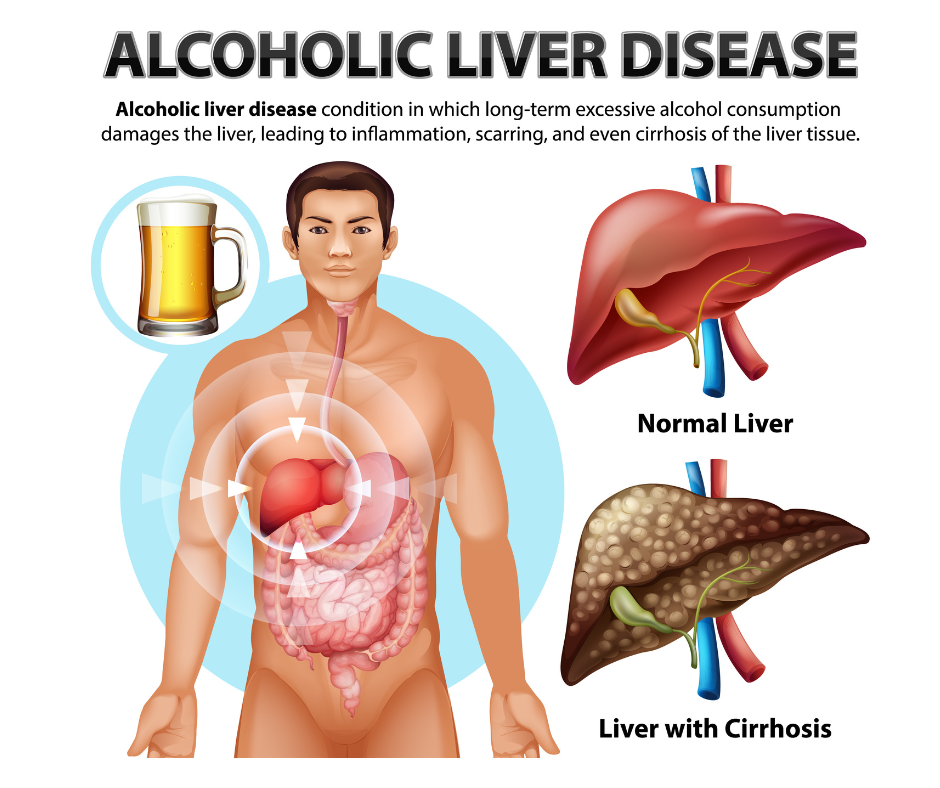
- Impact of Alcohol on the Body
Excessive alcohol use affects vital organs like the liver and kidneys, reducing the body’s ability to detoxify and eliminate harmful substances. Our program focuses on safe detox, medical care, and restoring overall health as part of long-term recovery.
The Thamarai Difference
 12-16 hours of one-on-one therapy per month
60-80 hours of group therapy per month
You will have your own team of therapists and doctors
Cutting-edge treatment philosophy
Special variant of 12 Step Program
We believe addiction is a disease that can be treated
We don’t use degrading labels like addict or alcoholic to define you
We heal the underlying conditions that cause addiction
Top-level detox program — 24/7 nursing with medical assistance.
Recovery Begins Here.
Highly Confidential Rehab In India

For Most clients Thamarai is one of the best experiences of their life and we feel confident you will feel the same. The healing that takes place here is hard to put into words. Once you arrive, we know you will see what makes this such a special place. We honor the opportunity to care for you.
Frequently asked question
Addiction is a chronic condition where a person becomes dependent on substances like alcohol or drugs. It affects daily life by impacting physical health, mental stability, relationships, work performance, and overall quality of life. Over time, it can lead to loss of control and harmful consequences.
Help should be sought when substance use starts interfering with health, family life, work, education, or daily responsibilities. Early professional support can prevent addiction from worsening and significantly improve the chances of successful recovery.
An effective rehabilitation center provides personalized treatment plans, qualified medical and psychological support, a safe environment, therapy sessions, and aftercare programs. A structured approach focusing on both physical and mental recovery improves long-term success.
Yes, long-term recovery is possible with the right treatment, continuous support, and lifestyle changes. Recovery is a journey that includes therapy, coping strategies, and ongoing care to prevent relapse and maintain a healthy, balanced life.
Recovering from alcohol addiction starts with acknowledging the problem and seeking professional help. Depending on the severity of alcohol dependence, treatment may include medical detoxification, counselling, behavioural therapies, medication, inpatient or outpatient rehabilitation, and long-term relapse prevention. Family support and aftercare also play a vital role in maintaining sobriety. If you have been drinking heavily for a long time, avoid quitting suddenly without medical supervision, as withdrawal can be dangerous.
The "3-2-1 rule" is not a medically recognized guideline for treating alcohol addiction. Different sources use the term to describe different drinking habits or lifestyle tips, but there is no standard clinical rule called the 3-2-1 rule for alcohol dependence. If you're concerned about your drinking, it's best to consult an addiction specialist who can recommend an evidence-based treatment plan tailored to your needs.
Breaking free from alcohol addiction is a gradual process that involves both physical and psychological recovery. The first step is seeking professional assessment to determine whether medical detox is needed. Treatment typically includes individual counselling, cognitive behavioural therapy (CBT), group therapy, family therapy, lifestyle changes, and relapse prevention planning. Building a strong support system and continuing treatment after rehabilitation significantly improves the chances of long-term recovery.
Far far away, behind the word mountains, far from the countries Vokalia and Consonantia, there live the blind texts. Separated they live in Bookmarksgrove right at the coast
Supporting someone with alcohol addiction begins with compassion rather than judgment. Encourage them to seek professional treatment, listen without blaming, and avoid enabling behaviours such as making excuses for their drinking. Offer to accompany them to a treatment centre or counselling session if they are willing. Recovery is often more successful when family members are actively involved in the treatment and aftercare process.
Alcohol withdrawal symptoms usually begin within 6 to 24 hours after the last drink. Symptoms often become most intense between 24 and 72 hours and generally improve over 3 to 7 days, although some people may experience lingering symptoms for several weeks. Severe withdrawal can lead to seizures or delirium tremens (DTs), making medical supervision essential for people with moderate to severe alcohol dependence.