

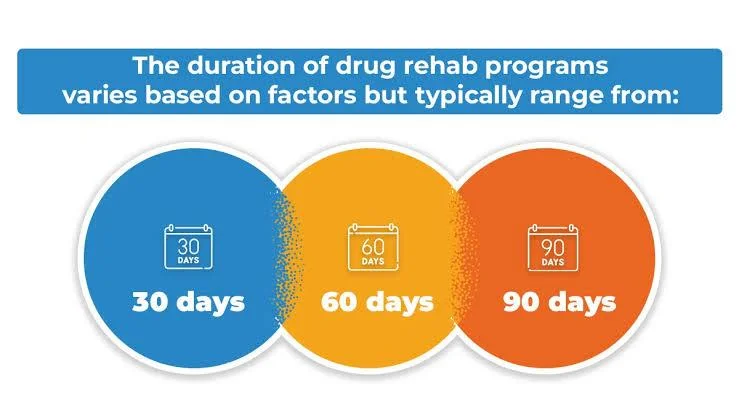
The duration of rehabilitation treatment varies depending on an individual’s unique needs, the severity of addiction, and the type of treatment program recommended. Recovery is a personal journey, and treatment plans are often customized to ensure the best possible outcomes.
Detoxification is often the first stage of addiction treatment and focuses on safely removing harmful substances from the body under medical supervision.
Typical Duration:
A few days to several weeks
Most detox programs are completed within approximately one week
Why It Matters:
Detox is an important first step, but it is not a complete treatment for addiction. Long-term recovery requires continued therapy and rehabilitation to address the underlying causes of substance use.
Residential rehabilitation provides a structured and supportive environment where individuals receive comprehensive care, therapy, and recovery support around the clock.
Typical Duration:
30 days
60 days
90 days or longer, depending on individual needs
Best Suited For:
Severe substance use disorders
Individuals with repeated relapses
Those experiencing co-occurring mental health conditions
Outpatient programs allow individuals to continue living at home while attending scheduled therapy sessions and treatment programs.
Typical Duration:
Several weeks to several months
Best Suited For:
Individuals with mild to moderate addiction concerns
Those with strong family and social support systems
People transitioning from residential treatment
Long-term or severe addictions often require more extensive treatment to address physical, emotional, and psychological challenges.
Individuals experiencing conditions such as anxiety, depression, trauma, or other mental health concerns may benefit from longer treatment programs that address both addiction and emotional well-being.
Every recovery journey is unique. Treatment duration may be adjusted based on personal progress, therapeutic goals, and ongoing clinical assessments.
Research and clinical experience consistently show that longer engagement in treatment can improve long-term recovery success. Extended treatment allows individuals to develop healthy coping skills, strengthen emotional resilience, address underlying issues, and establish a strong foundation for a substance-free life.
At Thamarai Wellness Rehab, treatment plans are personalized to meet each individual’s needs, ensuring they receive the appropriate level of care and support throughout every stage of recovery.
There is no one-size-fits-all answer to how long rehabilitation should last. The most effective treatment is one that provides sufficient time for healing, personal growth, and lasting change. At Thamarai Wellness Rehab, we focus on helping individuals build the skills, confidence, and support system needed for lifelong recovery and well-being.
Regular meetings with groups like Alcoholics Anonymous (AA) or Narcotics Anonymous (NA) provide peer support.
Continued counseling helps in dealing with triggers and preventing relapse.
Tailored strategies to manage stress and avoid relapse.
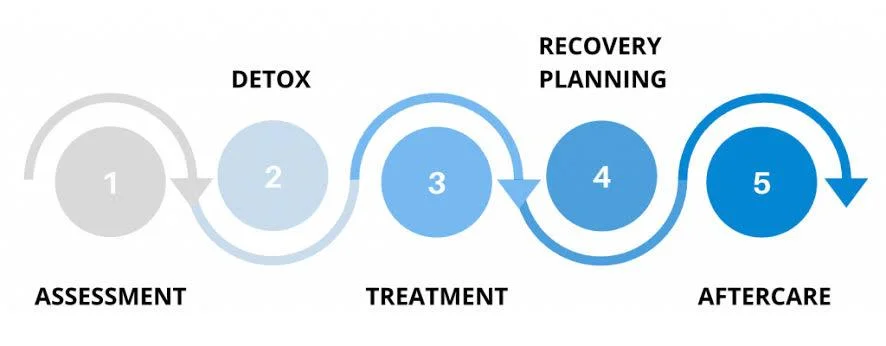
– Consult with Thamarai team to assess your specific needs.
– Yes, programs can be adjusted based on individual progress and circumstances.
– Relapse is part of the recovery process for many. It indicates the need for additional treatment or adjustments to the recovery plan.
Rehabilitation is a journey, and the duration is only one aspect of the process. The most important step is to start. If you or a loved one is struggling with addiction, reach out to a professional for guidance and support.
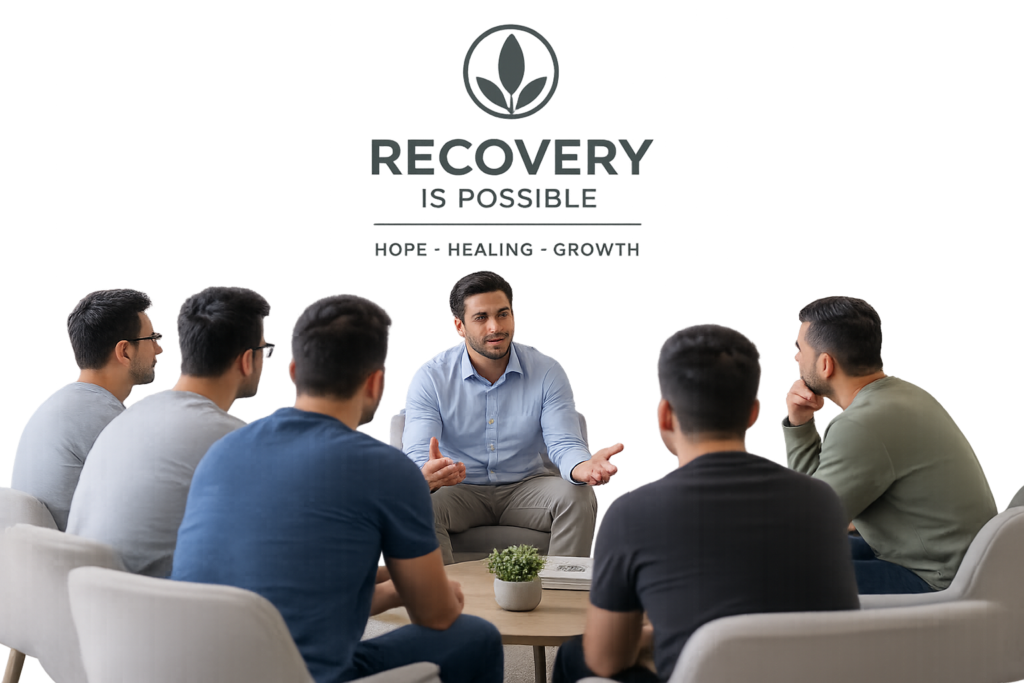
Our evidence-based model combining individual and group mental health/addiction therapies, follow-up coaching and family support sets a new standard for quality care and for your quality of life.
Our dedicated team provides compassionate care, professional guidance, and personalized recovery programs to help individuals overcome addiction and rebuild a healthier, happier life.

Addiction is a chronic condition that affects the brain and behavior, making it difficult to control the use of substances or harmful habits. It can impact physical health, mental wellbeing, relationships, work performance, and overall quality of life.
Professional help should be considered when substance use begins affecting health, relationships, work, education, or daily responsibilities. Early intervention can prevent addiction from becoming more severe and improve recovery outcomes.
An effective rehabilitation center offers personalized treatment plans, qualified healthcare professionals, evidence-based therapies, mental health support, a safe healing environment, and comprehensive aftercare services to support long-term recovery.
Yes. With proper treatment, ongoing support, lifestyle changes, and commitment to recovery, individuals can achieve lasting sobriety, rebuild their lives, and enjoy improved physical, emotional, and social wellbeing.

We provide trusted, personalized care for lasting addiction recovery.