
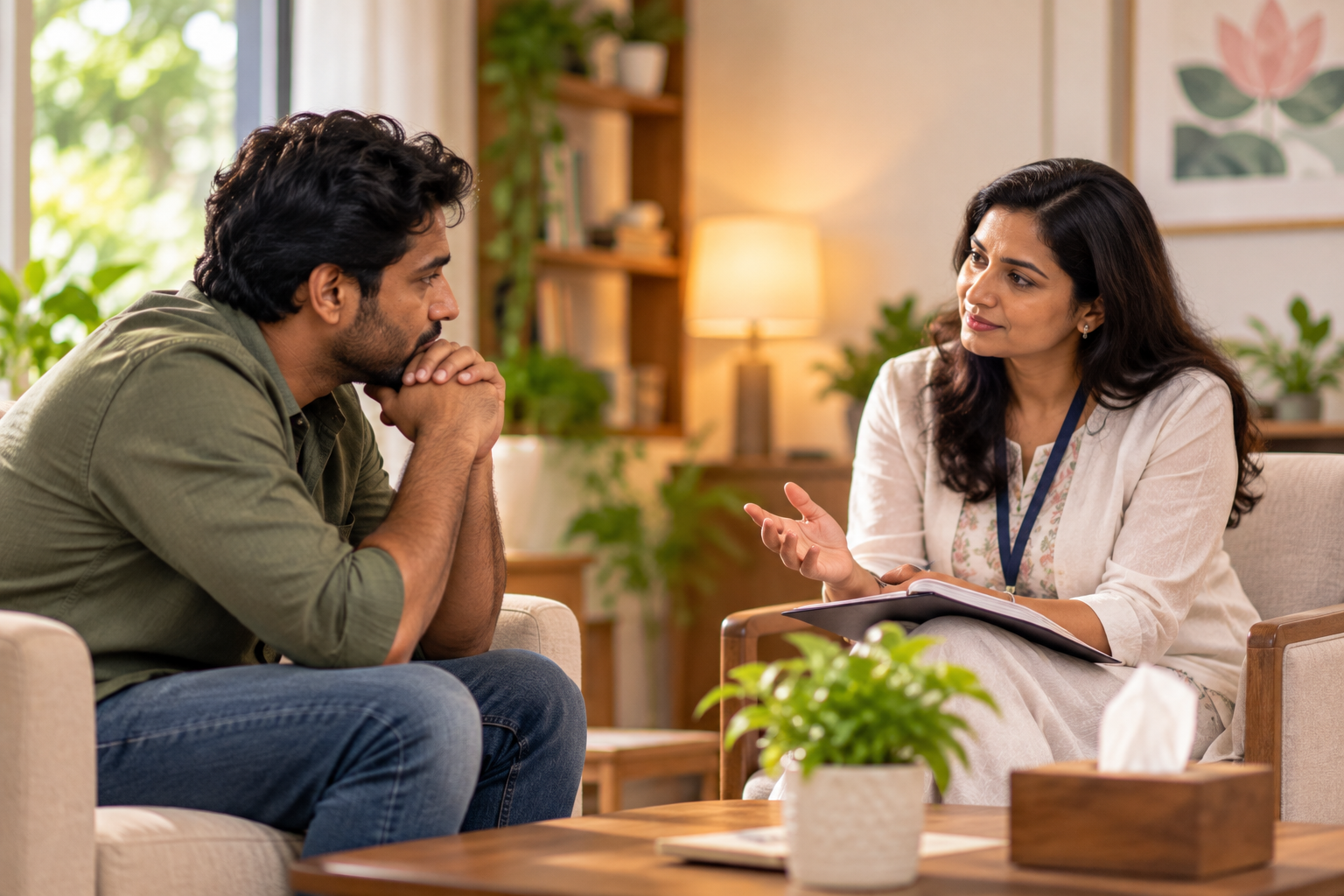
Families often hear that someone “needs rehab” without anyone explaining what that means. Is it a hospital? A retreat? A place where people are locked away until they “behave”? For the person struggling with drugs, the idea can be frightening, and for families it can feel like a last resort.
This guide explains how rehabilitation actually helps, what happens at each stage, what the evidence says about why it works, what it can’t do, and how to choose a good centre. We use “drug addicts” in the title because it is how many people search, and “people with a drug addiction” in the text. This is general information, not medical advice.
In short
- Rehabilitation combines medical care, therapy, support and aftercare to help people stop using drugs and rebuild their lives. It is not punishment.
- It helps by providing safe detox, a structured and drug-free environment, treatment for the causes of use and for other conditions, new coping skills and ongoing support.
- Time in treatment matters. Research suggests that most people need at least about three months of treatment to reduce or stop drug use significantly.
- Rehab is not a one-time cure. Relapse is common in chronic conditions, and aftercare is what carries recovery into daily life.
- Choose a registered, professional centre with qualified staff, medical detox, evidence-based therapies and family involvement.
What is rehabilitation for drug addiction?
Rehabilitation, or rehab, is a structured programme that helps a person stop drug use, recover physically and psychologically, and rebuild a healthy, independent life. It can be residential (the person lives at the centre), a day or intensive outpatient programme, or regular outpatient counselling. Drug addiction is a treatable health condition, and rehab applies medical and psychological treatment the way any other chronic condition would be treated.
How does rehab help? The main ways
| Component | What happens | How it helps |
|---|---|---|
| Assessment | Doctors and therapists review drug use, health, mental health, family and social situation | Creates a personalised plan, and catches hidden problems such as depression, trauma or other medical conditions |
| Medical detox | Withdrawal is managed under medical supervision, with monitoring and, where appropriate, medicines | Keeps the person safe, eases withdrawal and reduces the pull to use again just to stop feeling unwell. See detoxification |
| A drug-free, structured setting | Routine, regular meals, sleep and activities, away from drugs, dealers and triggers | Gives the brain and body time to stabilise, and removes easy access to drugs during the most fragile stage |
| Individual therapy | One-to-one sessions exploring why the person uses, triggers and thinking patterns | Builds insight and coping skills. See our schools of therapy |
| Group therapy and peer support | Sharing experiences with others in recovery | Reduces shame and isolation, and shows that recovery is possible |
| Treating other conditions | Care for depression, anxiety, trauma, sleep problems or physical illness | Addresses the reasons many people use drugs. See dual diagnosis |
| Family involvement | Family sessions, education and guidance | Repairs trust, ends enabling and prepares the home for recovery |
| Skills and relapse prevention | Learning to manage cravings, stress, refusal and high-risk situations | Prepares the person for real life after rehab. See our relapse prevention program |
| Healthy routines and wellbeing | Exercise, nutrition, mindfulness, creative and recreational activities | Rebuilds physical health and replaces drug-centred habits. See activities |
| Aftercare planning | Follow-up therapy, support groups, check-ins and a plan for work, study and home | Carries recovery forward, when the risk of relapse is highest |
The stages of rehab
- Assessment and planning. A medical and psychological assessment shapes the programme.
- Detoxification. Where needed, withdrawal is managed safely under medical care, usually over days to a couple of weeks depending on the substance.
- Active treatment. Therapy, group work, skills training, treatment of other conditions and family sessions.
- Preparing to return. Relapse prevention planning, rebuilding routines, and arranging work, study and living arrangements.
- Aftercare. Ongoing therapy, support groups and check-ins after leaving. Recovery continues long after the residential stage.
Our guide to what happens in the first week of residential rehab and our page on a day at Thamarai give a closer view of daily life.
What the evidence says about rehab
The US National Institute on Drug Abuse summarises decades of research with several consistent findings:
- Addiction is treatable. Treatment helps people stop using drugs, avoid relapse and recover their ability to function at work, at home and in the community.
- No single treatment suits everyone. Programmes work best when matched to the person’s needs.
- Staying in treatment long enough matters. Most people need at least about three months to reduce or stop drug use significantly, and longer treatment generally leads to better outcomes.
- Therapy plus medicines works best for some addictions, especially opioid addiction.
- Treating other mental health conditions at the same time improves results.
- Relapse is common in chronic conditions, with rates similar to those for hypertension or asthma, and doesn’t mean treatment has failed. It means the plan needs adjusting.
Treatment also benefits families and communities, by reducing harm, injuries, legal trouble and lost income.
Therapies and treatments used in rehab
| Approach | What it does |
|---|---|
| Cognitive behavioural therapy (CBT) | Helps identify triggers, challenge unhelpful thoughts and build coping skills |
| Motivational interviewing | Strengthens the person’s own reasons to change, especially when they are ambivalent |
| Relapse prevention skills | Teaches people to spot warning signs and respond early |
| Rewards-based approaches (contingency management) | Positive reinforcement for staying drug-free, shown to help, especially with stimulant use |
| Family therapy | Improves communication and helps families support recovery without enabling |
| Trauma-focused therapy | Treats trauma that often underlies drug use. See how to deal with trauma |
| Medicines | For some drugs, especially opioids, doctors can prescribe medicines that reduce cravings and withdrawal or help prevent relapse. They must always be prescribed and monitored by a doctor. |
| Mindfulness, exercise and wellbeing practices | Support mood, sleep and stress management. See mindfulness for addiction recovery |
Rehab, outpatient care or both?
| Option | Best suited to |
|---|---|
| Medical detox | Anyone at risk of difficult or dangerous withdrawal |
| Residential (inpatient) rehab | Moderate to severe addiction, an unsafe or triggering home, repeated relapse, or other health needs |
| Intensive outpatient programme (IOP) | People with stable housing and support who can attend structured sessions |
| Outpatient counselling | Milder problems, or ongoing support after intensive treatment |
Our comparison of inpatient, outpatient and IOP care explains how to decide, and duration of treatment explains how long programmes usually run.
What rehab can’t do
- It isn’t a one-time cure. Rehab starts recovery, and aftercare keeps it going.
- It can’t work without participation. Motivation often grows during treatment, but the person’s engagement matters.
- It doesn’t remove all risk of relapse. It gives skills and support to handle it.
- It can’t fix everything at home. Family patterns, debts and triggers need work too.
- Quality varies. Not every centre meets professional standards, so choose carefully.
Myths about rehab
| Myth | What’s true |
|---|---|
| “Rehab is a prison or punishment.” | Good rehab is a health service that respects dignity, rights and consent. |
| “You have to hit rock bottom first.” | Earlier treatment is generally easier and leads to better outcomes. |
| “They have to want it first.” | Many people begin treatment ambivalent, and motivation often grows during care. |
| “Rehab doesn’t work because people relapse.” | Relapse is common in chronic conditions and doesn’t erase progress. Treatment improves outcomes. |
| “Stopping at home is the same.” | Some withdrawals can be dangerous, and home lacks medical care, therapy and structure. |
| “A 7-day or 15-day programme is enough.” | Detox takes days, but lasting change usually needs longer treatment and aftercare. |
How to choose a good rehab centre in India
Look for:
- Registration and qualified staff: licensed doctors, psychiatrists, psychologists and trained counsellors
- Medical detox with supervision for withdrawal
- A personalised plan after a proper assessment, not the same programme for everyone
- Evidence-based therapies, not just prayer, discipline or “willpower” methods
- Treatment of other mental health conditions
- Family involvement and education
- Aftercare and relapse prevention
- Respect for rights and consent, with no physical punishment, confinement or coercion. The Mental Healthcare Act, 2017 emphasises patients’ rights.
- Confidentiality and transparent fees
Questions to ask a centre: Who will assess my family member? What happens during detox? Which therapies do you use? How are other mental health conditions treated? How is the family involved? What aftercare do you offer? What does it cost, and what is included? See our page on the cost of treatment and our guide on whether health insurance covers rehab.
Practical tips for India
- Stigma and “log kya kahenge.” Fear of gossip delays help. Choose confidential services and decide who needs to know.
- Avoid unlicensed centres. Be wary of very cheap “de-addiction” centres, forced confinement, physical punishment and miracle cures.
- Fear of the police. India’s Narcotic Drugs and Psychotropic Substances Act (1985) includes a provision, Section 64A, that can give immunity from prosecution to people who are addicted, hold small quantities and voluntarily seek treatment. Laws and their application can change, so please take legal advice.
- Work and study. Plan leave, and discuss what to tell an employer or college.
- Joint family. Agree on one consistent message and a shared approach to aftercare.
- Free support. Tele-MANAS (14416) offers free tele-mental-health support in India.
What families can do
Family support improves outcomes. You can help by encouraging a medical assessment, choosing a reputable centre, taking part in family sessions, avoiding enabling and planning for life after treatment. Our guides on how to get someone off drugs and how to deal with a drug addicted family member explain how to start, and how to support an addict in recovery covers what follows. If you are the person struggling, see how to come out of addiction.
After rehab: keeping recovery going
- Keep follow-up therapy, medical appointments and prescribed medicines
- Stay in touch with support groups and sober friends
- Avoid or plan for triggers, such as old contacts and places
- Build routines: sleep, meals, movement, work or study
- Watch for relapse warning signs and act early. See relapse after rehab
- Be careful about dose after a break, because tolerance falls and a return to the old amount can cause overdose
When to get urgent help
Call 112 or go to the nearest hospital if:
- Someone is very hard to wake, unresponsive, or breathing slowly or not at all
- Someone has a seizure, severe confusion or hallucinations
- They have taken a large amount or mixed substances and seem unwell
- They talk about ending their life or hurting themselves
Stay with them. In India, Tele-MANAS (14416) is a free national helpline for mental health support.
Special situations
Depression, anxiety or trauma. These often occur with drug use, and treating them together improves outcomes. See is depression a mental disorder.
Prescription medicines. Addiction to painkillers, sedatives or sleeping tablets can start with a legitimate prescription. Don’t stop them suddenly without medical advice.
More than one substance. Mixing drugs and alcohol raises the risk of overdose and complicated withdrawal, so a medical assessment matters.
Women. Some women find women-focused support helpful. See our signature women’s program.
Young adults. Stay curious instead of punitive, and involve the whole family.
How Thamarai can help
At Thamarai Healing Center in Pollachi, treatment is confidential, non-judgemental and personalised. Our drug addiction program includes a comprehensive assessment, supervised detoxification where needed, evidence-based therapies, support for co-occurring conditions, family involvement and structured aftercare, in a calm setting among the foothills of the Western Ghats. You can also read about our facilities and The Thamarai Difference.
If you’re weighing options, a confidential conversation is a good place to start. Speak to our team confidentially →
Frequently asked questions
How does rehabilitation help drug addicts?
Rehab provides safe detox, a structured drug-free setting, therapy, treatment of other conditions, family involvement, new coping skills and aftercare. Together, these help people stop using and rebuild their lives.
Does rehab really work?
Yes. Research shows that treatment reduces drug use and related problems, and that longer time in treatment improves outcomes. Relapse can happen, but it doesn’t mean treatment failed.
How long does rehab take?
Detox usually takes days to a couple of weeks, but research suggests most people need at least about three months of treatment to reduce or stop drug use significantly. Aftercare continues for months or longer.
What happens in rehab?
An assessment, medical detox where needed, individual and group therapy, treatment of other conditions, family sessions, skills and relapse prevention training, healthy routines and aftercare planning.
Is rehab better than quitting at home?
For many people, yes. Some withdrawals can be dangerous, and rehab provides medical care, therapy, structure and support that home cannot. Mild cases may be managed with outpatient care, after a medical assessment.
Can someone be forced into rehab?
Generally no. Treatment works best with some willingness, though motivation often grows during care. Avoid centres that use force or confinement, and seek professional guidance on approaching someone who is resistant.
What happens after rehab?
Aftercare includes follow-up therapy, support groups, medical check-ups, relapse prevention and rebuilding routines. Recovery continues for months and years after leaving.
Is treatment at Thamarai confidential?
Yes. Enquiries, assessments and treatment are handled confidentially, and you can call to ask questions without committing to anything.
This article is for general information and isn’t a substitute for professional medical or legal advice, diagnosis or treatment.
Sources
- National Institute on Drug Abuse. Principles of Drug Addiction Treatment: A Research-Based Guide. 3rd ed. 2012.
- United Nations Office on Drugs and Crime and World Health Organization. International Standards for the Treatment of Drug Use Disorders. 2020.
- Substance Abuse and Mental Health Services Administration (SAMHSA). SAMHSA’s Working Definition of Recovery. 2012.
- American Psychiatric Association. Diagnostic and Statistical Manual of Mental Disorders, Fifth Edition, Text Revision (DSM-5-TR). 2022. Substance-Related and Addictive Disorders.
- Government of India. Narcotic Drugs and Psychotropic Substances Act, 1985, Section 64A; Mental Healthcare Act, 2017.
- Ministry of Health and Family Welfare, Government of India. Tele-MANAS (14416).